

Recent News
September 21, 2026
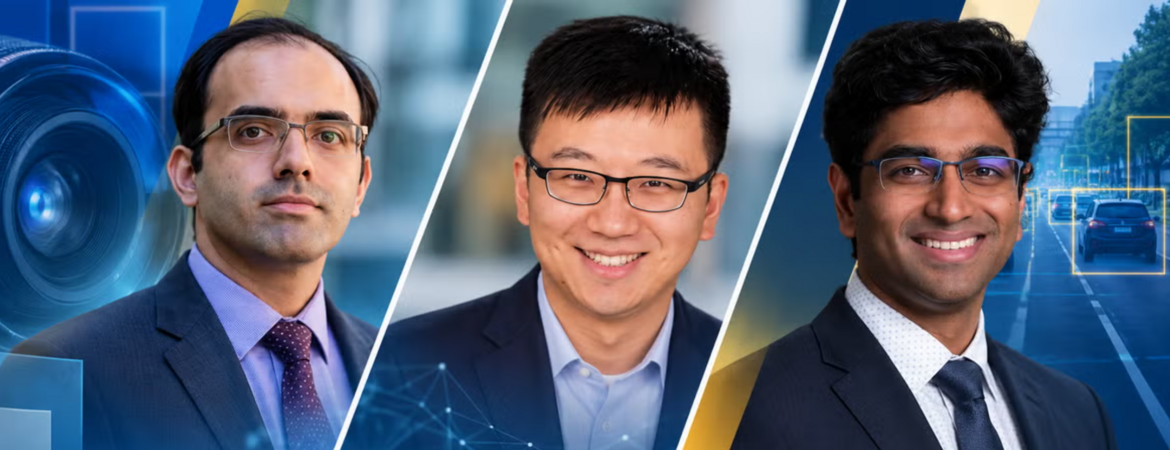
BCOE Computer Vision Research Earns Recognition at ECCV 2026
A method for recovering information about light that conventional cameras cannot record placed UC Riverside researchers among the 10 Best Paper Award nominees at the European Conference on Computer Vision (ECCV), one of the field’s premier venues. The paper was part of a broader showing by researchers from UCR’s Marlan and Rosemary Bourns College of Engineering at ECCV 2026, held Sept. 8-12 in Malmö, Sweden. Three studies involving BCOE faculty and students explored different limits on what machines can perceive, including information hidden from conventional image sensors and objects outside

September 21, 2026
UCR professor named national invention ambassador
UCR engineering professor Mihri Ozkan has been named a National Invention Ambassador, joining a national network of accomplished inventors who mentor emerging innovators.
September 14, 2026
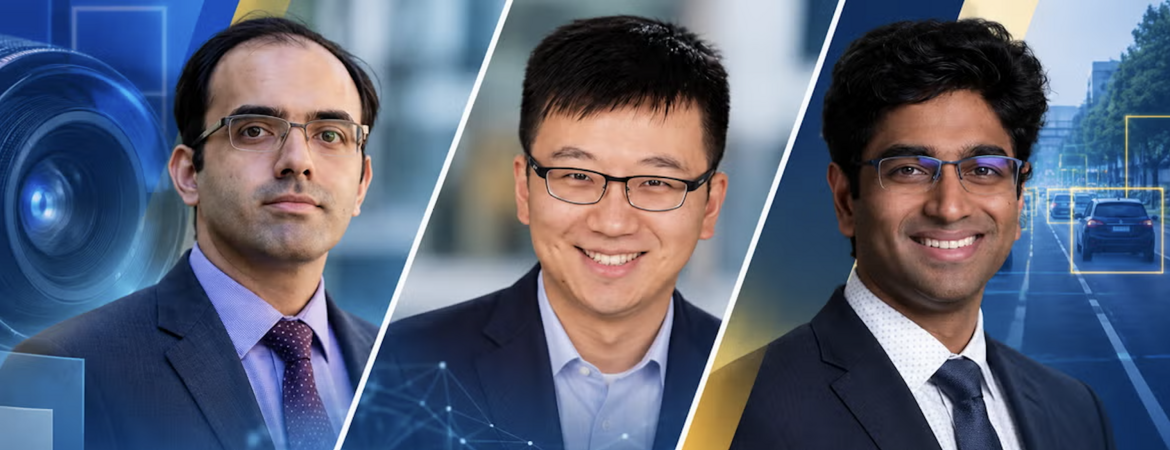
UCR researchers to present computer vision advances at premier AI conference in Europe
Three pioneering studies by UC Riverside researchers will be presented orally in September at the 19th European Conference on Computer Vision (ECCV 2026) in Malmö, Sweden, one of the world's premier conferences on computer vision and artificial intelligence. Together, the studies advance machine perception—the science of helping computers interpret visual information—by enabling them to see more clearly, understand more of their surroundings, and make better decisions. Led by faculty members and students in UCR's Marlan and Rosemary Bourns College of Engineering, the work highlights the

July 24, 2026
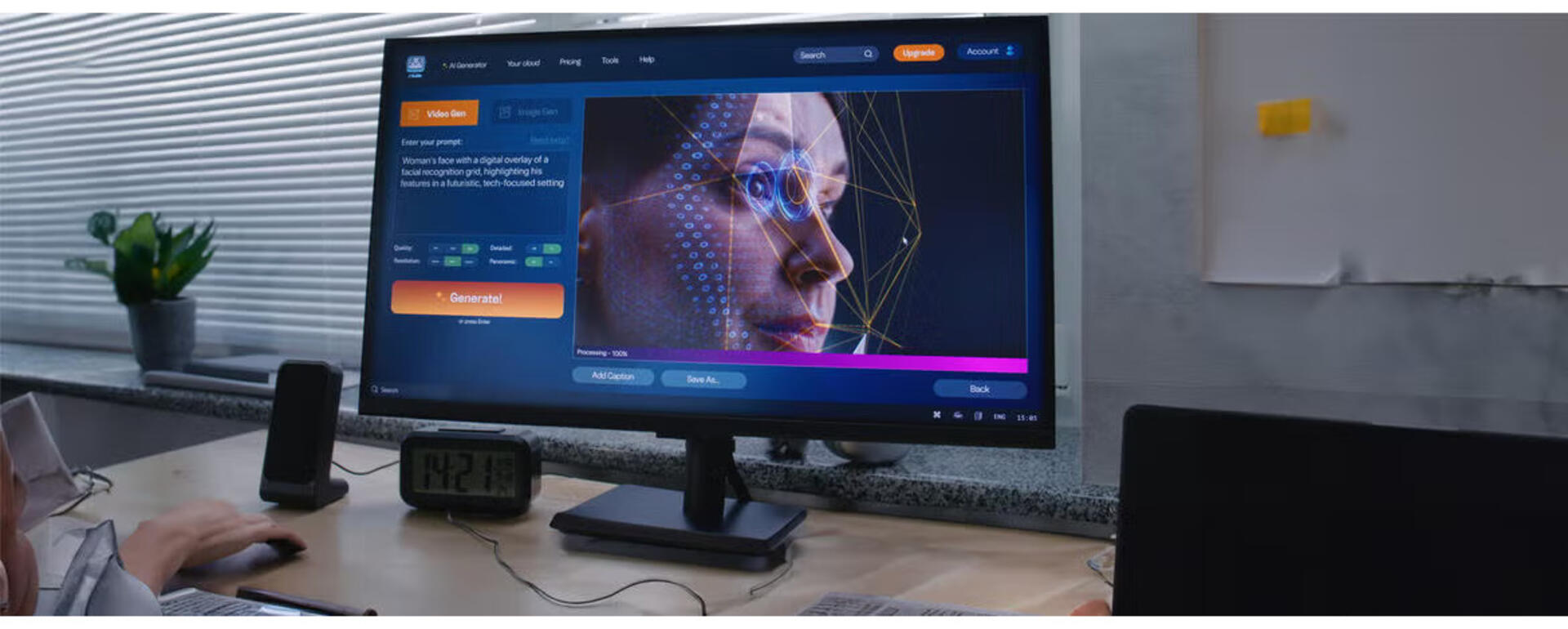
New tool identifies the sources of fake videos
As AI-generated fake videos become more problematic, UC Riverside computer scientists developed a tool that moves beyond simply identifying whether a video is fake. It also determines which AI system created it.



Twitter Feed
At a Glance
$9.6M+
New research grants in FY2020/21
Top 20
US News 2021 Best Public Global University
200+, 400+
Total graduate and undergraduate students
14, 13
Fellows of IEEE, NAI and other organizations; NSF CAREER and Young Investigator Awards